How to Evaluate a Property Developer Track Record

How to Evaluate a Property Developer’s Track Record Before Buying an Investment Property Off-the-Plan
Buying off-the-plan requires more than choosing an attractive floorplan, a desirable address or an impressive display suite. You are committing to a property that does not yet exist in its finished form, so the developer's ability to deliver matters just as much as the design itself.
At Azure, we believe a premium property should be supported by sound development practices, experienced delivery teams, strong construction capability and thoughtful long-term community management, especially for prestige owner-occupiers and high-net-worth investors, where the margin for error is smaller.
So, how do you check if a property developer is reputable? Start by looking beyond the marketing material and examine the business behind the project.
1. Start with completed projects, not promises
The strongest evidence of a developer's capability is what they have already delivered.
When researching property developers, look for a substantial portfolio of completed projects rather than relying solely on proposed developments. Review the developer's history across different projects and, where possible, inspect completed properties in person.
Ask:
- How many residential projects have they completed?
- How long have they been operating?
- Are their completed developments comparable to the property you are considering?
- Can you visit previous communities?
- Do completed projects remain well presented?
- What do existing owners and residents say about their experience?
A completed development gives you something that a brochure cannot: a tangible reference point.
We've built our reputation around design-led residential development and community creation, with a portfolio spanning multiple communities and locations. We remain involved across development, construction and ongoing community management, giving buyers more to assess than a single project proposal.
For investors comparing property developer companies, this history provides an opportunity to evaluate the finished product rather than simply trust a future promise.
2. Look at who actually controls delivery
A property developer may coordinate architects, consultants, builders, suppliers and other specialists. That is normal. What matters is how effectively the developer manages these relationships and maintains control over the critical stages of a project.
Investigate the developer's development, design, construction and project management capabilities. Understand who is responsible for each stage and whether the organisation has the experience to coordinate them effectively.
This is particularly relevant when comparing property developer services. A developer's role can extend well beyond acquiring a site and selling residences, it can encompass design direction, construction oversight, project delivery and the ongoing management of the community.
We take an integrated approach: Azure has end to end control from development, construction to ongoing property and facilities management, extending the relationship into community stewardship. We see our role as going beyond simply creating living environments, with caretakers, horticulturalists, facility and asset managers involved in the ongoing care of our communities.
For investors comparing developers, ask a simple question: who remains accountable throughout the project lifecycle?
3. Assess the people behind the business
A developer's track record is ultimately shaped by the people running the business.
Look beyond marketing titles and investigate the experience of the leadership team. Do they have a background in property development, construction, finance, architecture or project delivery? Have they worked across multiple projects? Do they have experience delivering developments comparable in scale and complexity to the one you are considering?
A strong development business needs more than sales expertise. It needs people capable of managing design decisions, planning, construction, finance, risk, procurement and customer expectations.
When assessing a real estate developer, review the experience behind the company as carefully as you review its project portfolio.
For Azure, that focus is strongly connected to design and the creation of enduring residential environments. Our philosophy centres on bringing designers and master craftsmen together to create places that combine materials, architecture and human connection.
For a buyer, that depth matters because development is a multidisciplinary process. Design excellence is valuable, but it must be supported by the capability to turn the design into a completed community.
4. Investigate financial and delivery strength
You do not need to become a forensic accountant to assess a developer's financial position, but you should understand the business behind your purchase.
For investors in particular, investigate the developer's corporate history, ownership structure, development pipeline and relevant funding arrangements with the assistance of qualified professional advisers.
Consider:
- How long has the business been operating?
- What projects has it previously delivered?
- Who owns and controls the development company?
- Who are its construction and financial partners?
- Does its project pipeline appear consistent with its operational capability?
- Are there material disputes, insolvency events or regulatory concerns that require further investigation?
Do not assume a large project pipeline automatically demonstrates financial strength. Equally, do not assess a developer solely on the size of its marketing presence.
The goal is to understand whether the business has the experience, governance and financial capability to manage a project through to completion.
Independent legal and financial advice is essential before committing to an off-the-plan purchase.
5. Inspect the quality of completed communities
If possible, visit completed developments yourself.
Do not limit your inspection to the individual residence. Assess the entire community.
Look at the quality of common areas, landscaping, amenities, materials, building presentation, accessibility and overall maintenance. Consider how the development feels after residents have moved in and the marketing campaign has ended.
This is particularly important for prestige owner-occupiers. The long-term appeal of a property is influenced by the environment surrounding the residence, not just its internal finishes.
It also matters for investors. A well-designed and maintained community contributes to resident experience and can influence how an asset is perceived by future tenants and purchasers.
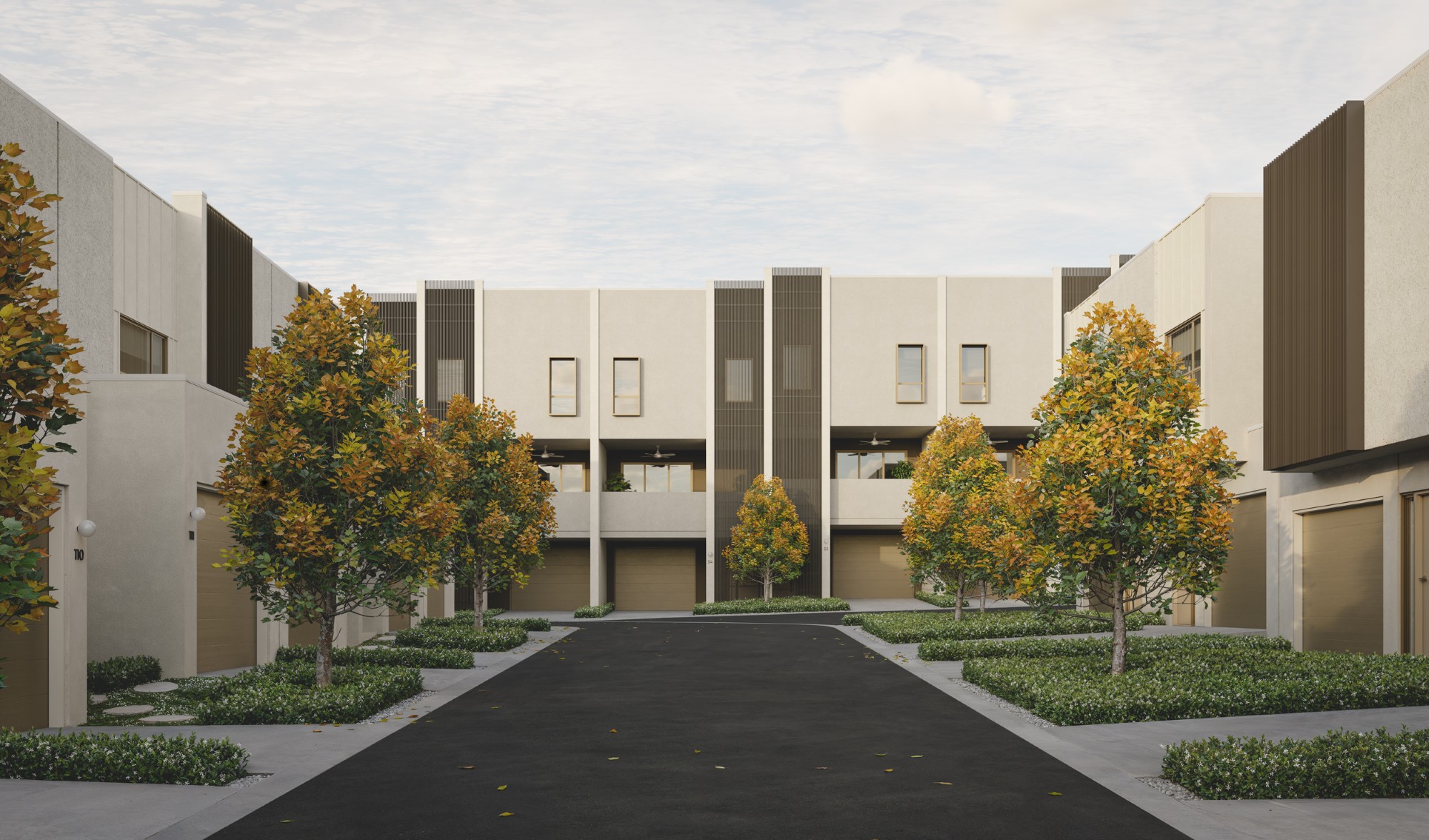
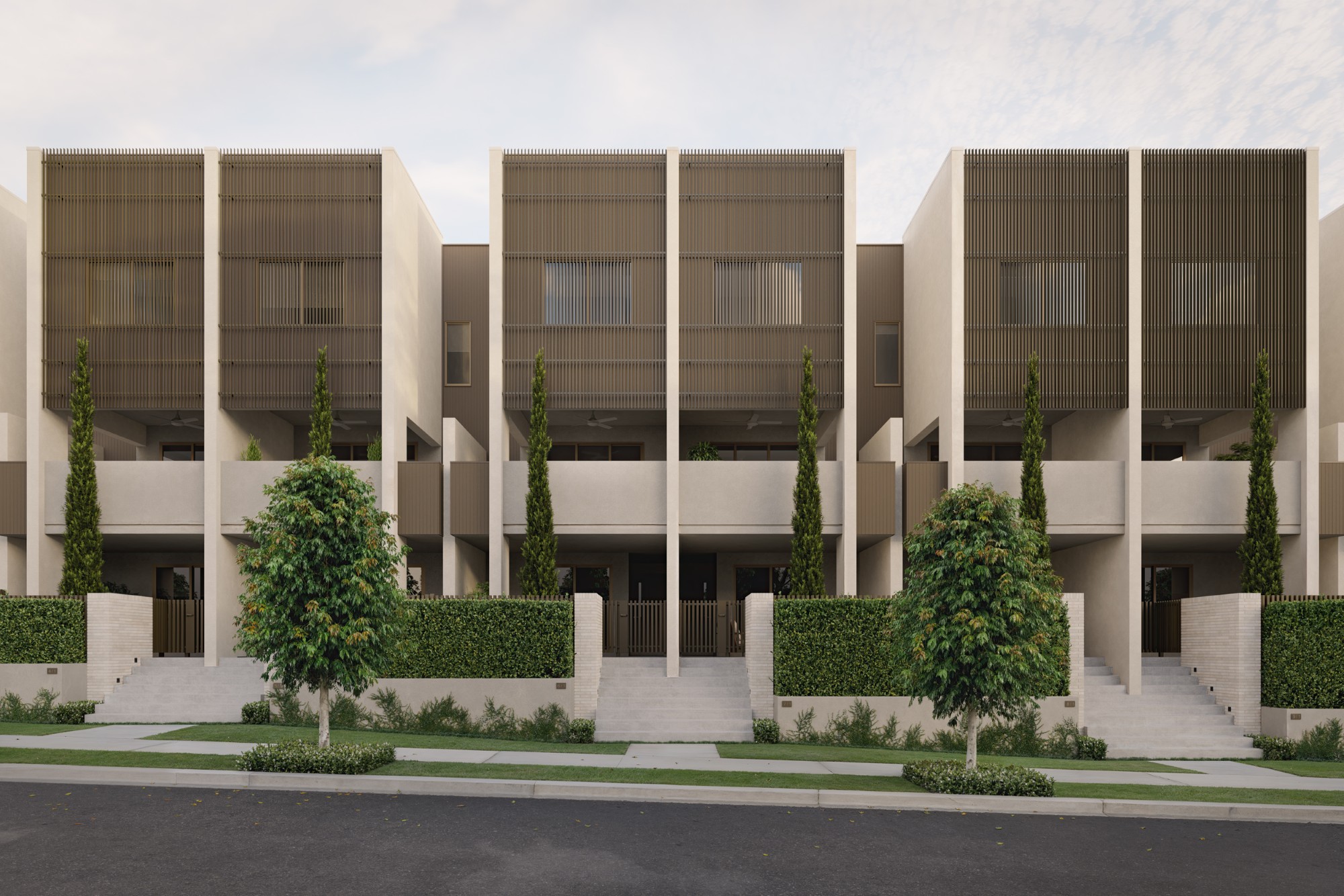
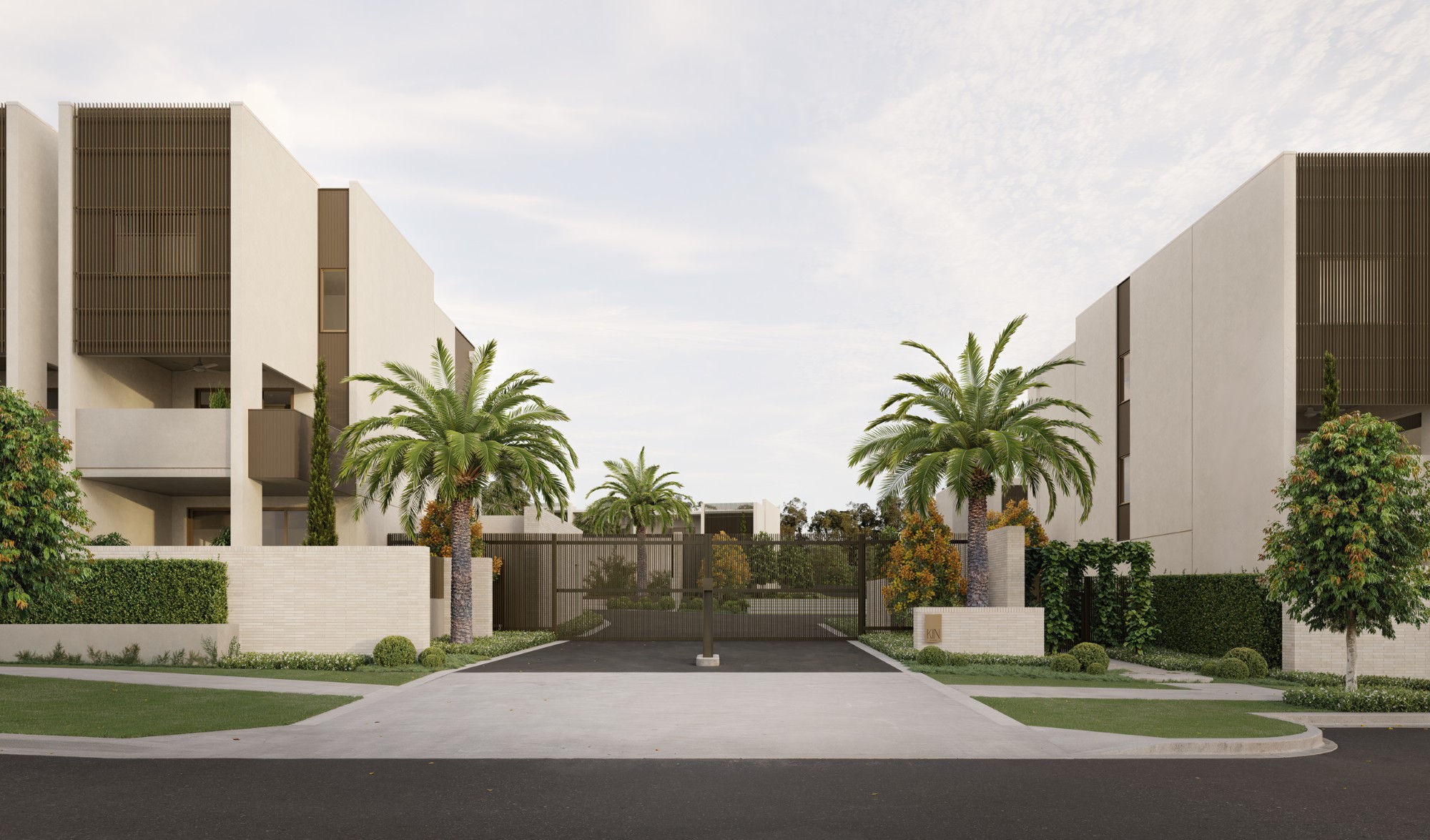
Azure's communities reflect this broader approach to residential development. Our current portfolio includes communities such as Kin, Hugo's, The Arbory, Wellbrook, Ember, Oakmont, Dahlia, One Earle Lane, Elwood and Munro by Azure, with projects ranging from coming soon and under construction through to completed communities.
View delivered Azure developments to see the breadth of the portfolio and how different communities have been developed.
6. Investigate what happens after settlement
A developer's responsibility to the community does not necessarily end when construction is complete.
Ask what happens once residents move in. Who manages the community? Who maintains shared spaces? How are owner concerns handled? What management arrangements are already in place? Are there ongoing maintenance responsibilities or fees that you need to understand?
This is an often-overlooked part of researching a property developer.
Government guidance for off-the-plan buyers highlights the importance of understanding management contracts, maintenance schedules, fees, proposed finishes and other arrangements that can affect owners after settlement. It also recommends obtaining appropriate legal advice before signing an off-the-plan contract.
The Queensland Government's off-the-plan buying guidance explains the protections around deposits and instalments in Queensland, including how funds are typically required to be held during the contract period.
These protections are important, but they do not replace your own due diligence on the developer.
How do you check if a property developer is reputable?
Use this six-step audit before buying off-the-plan:
- Verify completed projects — Build a list of delivered developments and inspect them personally where possible.
- Check delivery capability — Understand who controls development, design, construction and project management.
- Research the leadership team — Examine the experience and track record of the people running the business.
- Assess financial strength — Investigate corporate history, funding capability and potential financial risks with professional advice.
- Inspect completed communities — Evaluate construction quality, design, amenities, landscaping and long-term presentation.
- Review post-sale management — Understand who manages the community, handles maintenance and supports owners after completion.
This framework gives you a more objective way to compare developers than relying on brochures, display suites or sales presentations alone.
Track record should be part of the buying decision
There is no single measure that identifies the best Australian property developer for every buyer. Location, design, price, construction quality, finance, market conditions and the individual contract all matter.
However, the developer's track record deserves a prominent place in your due diligence.
Azure's approach combines design-led development with construction and ongoing community stewardship. We describe our philosophy as creating places and spaces designed to remain special, and Azure Living continues to support the communities we create long after handover.
If you are comparing established property developer companies in Australia, look beyond the proposed building and investigate the organisation responsible for delivering it.
A strong design creates the promise. A proven track record provides evidence of the ability to deliver it.
Review Azure’s 12-Year Track Record
Before buying off-the-plan, take the time to investigate the developer behind the address. Look at completed projects, assess construction and design capability, understand the financial and contractual framework, and investigate what happens after settlement.
The more evidence you gather before signing, the more informed your decision becomes.
If you'd like to talk through Azure's track record directly, get in touch with our team.
This article provides general information only and is not financial, investment or legal advice. Buyers should obtain independent legal, financial and property advice before entering into an off-the-plan contract.