


Integrated Property Developer Services in SEQ
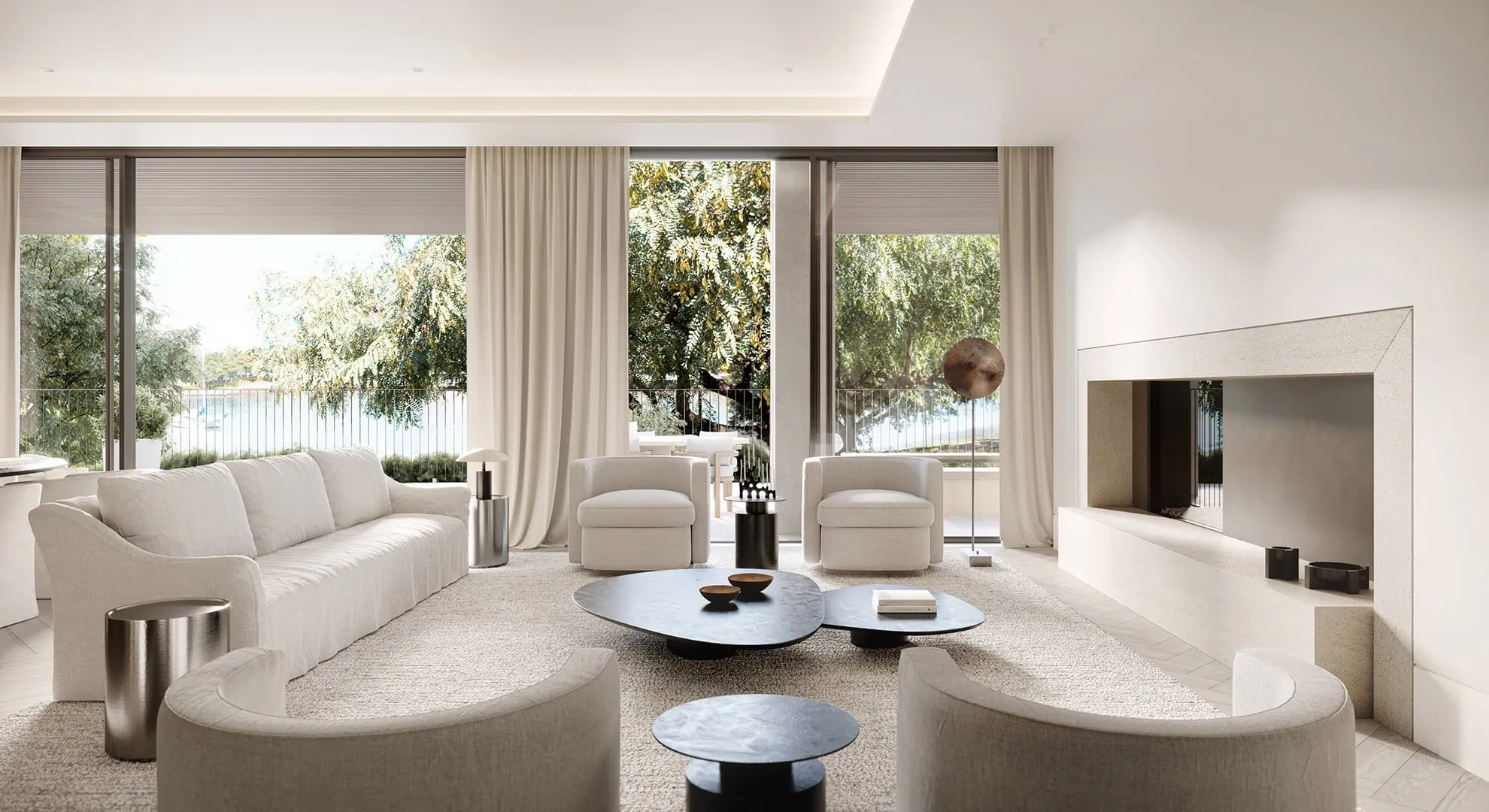
Design, Build, Manage: The Strategic Advantage of Integrated Property Group
When buying a premium property, the finished residence is only part of the equation. The quality of the design, construction process, community and long-term management all influence the experience and value that follows.
In a traditional development structure, these responsibilities often sit across multiple parties. An architect develops the design, an external builder delivers the construction, and a body corporate or property manager takes over once residents move in. Each organisation has a defined role, but the handovers between them can create opportunities for communication gaps, design compromises and uncertainty around accountability.
Azure takes a different approach.
We bring Design, Build and Manage together through a connected approach to residential development. For prestige owner-occupiers and high-net-worth investors, that gives you a clear strategic advantage: one development vision that stays connected from the initial design concept through construction and into the ongoing life of the community.
What Is an Integrated Property Development Model?
An integrated property development model connects key stages of the property lifecycle within one organisation rather than treating design, construction and ongoing management as completely separate functions.
1. Design: Establishing the Architectural Vision
Every successful residential community begins with a strong design philosophy.
For a prestige buyer, design extends beyond visual appeal. It influences liveability, functionality, natural light, privacy, materials, landscaping, amenities and the relationship between individual residences and the wider community.
Azure's design-led approach focuses on creating environments where architecture, materials and human connection work together. Our philosophy is centred on creating places and spaces that truly remain Special Forever.
This continuity matters because design decisions made at the beginning of a project influence almost every stage that follows.
In a traditional model, an architect may create the original vision before a separate builder takes responsibility for turning that vision into reality. The structure can work well, but it introduces another layer of coordination between design and construction.
Azure keeps these functions closely connected.
For buyers researching property developer services, the important question isn't simply what services a developer offers. It's how effectively those services work together.
2. Build: Turning Design Into Reality
A great architectural concept only creates value when it is executed properly.
Construction introduces thousands of decisions involving materials, trades, sequencing, procurement, site coordination, quality assurance and compliance. The relationship between the development and construction teams therefore has a direct influence on how successfully the original vision reaches completion.
Azure’s construction arm provides in-house capability, connecting the development vision with the physical delivery of our communities.
This creates a direct line between design intent and the construction process. Instead of treating construction as an entirely separate stage, it remains connected to our broader development strategy.
For our developments, that connection is particularly valuable. Premium materials, architectural details and carefully considered communal spaces require disciplined execution. Construction quality needs to support the original design rather than compromise it.
Compliance is equally important. Queensland developments must operate within applicable legislation, building codes, regulations and approval requirements. Buyers and developers need to understand the regulatory framework governing construction and building quality.
The Master Builders Queensland Laws, Codes & Regulations resource provides information on the laws, codes and regulatory frameworks relevant to Queensland's building and construction industry.
An integrated model does not remove the need for independent approvals, certification or regulatory compliance. It creates a connected internal structure through which design, development and construction teams work toward compliant, high-quality outcomes.
3. Manage: Protecting the Community After Completion
One of the clearest differences between integrated and traditional development becomes visible after construction is finished.
Once residents move in, a development becomes a living community. Shared spaces need to be maintained, landscaping requires ongoing care, facilities need management and owners need continued support.
This is where Azure's Manage stage becomes particularly important.
Azure extends the relationship beyond construction through ongoing property, facility, asset and community management. We see creating a residential environment as something different to simply constructing a building.
For owner-occupiers, ongoing management influences the everyday experience of living within the community. Well-maintained gardens, facilities, common areas and amenities contribute to the overall lifestyle proposition.
For high-net-worth investors, long-term management provides another consideration when assessing the quality and sustainability of a residential asset. The surrounding environment contributes to how residents experience the property and how the community is perceived over time.
This is one of the fundamental advantages of connecting development and ongoing management: the organisation responsible for creating the community remains connected to its long-term operation.
Why Integration Matters for Buyers & Investors
Buyers are often purchasing more than a residence.
They are investing in architecture, materials, amenity, landscaping, privacy, convenience and a particular standard of living.
A disconnected development structure can create challenges when the original vision moves between different organisations. An integrated approach keeps the development philosophy connected across multiple stages.
For a risk-conscious buyer, this provides greater transparency around who is responsible for the overall outcome.
For an investor, it creates an opportunity to assess a developer not only by its current project but by how it approaches the complete asset lifecycle.
This distinction is particularly relevant when comparing a conventional real estate developer with an integrated property development business.
The Strategic Advantage of Single-Entity Accountability
The strongest argument for integration is not that external architects, builders, consultants or managers are unnecessary. Specialist expertise remains fundamental to successful property development.
The difference is how those capabilities are coordinated.
In a traditional multi-party arrangement, the developer, architect, builder and post-completion manager each have separate responsibilities. In an integrated model, these functions operate within a connected development philosophy.
That can reduce the number of organisational handovers and create clearer accountability throughout the lifecycle.
For Azure, the philosophy is straightforward:
Design the vision. Build it with precision. Manage it for the long term.
This approach lets our development strategy stay connected from the first architectural concept through construction and into the ongoing management of the completed community.
What Should You Look for in a Property Developer Firm?
When comparing property developer companies, do not only assess the property being marketed. Assess the organisation behind it.
Ask:
- Who controls the design vision?
- Who is responsible for construction?
- How closely are design and construction teams connected?
- Who remains involved after completion?
- How are common areas and community assets maintained?
- Does the developer have a track record of completed projects?
- Is there a clear approach to long-term community management?
These questions help distinguish a developer's marketing proposition from its actual operating model.
The strongest developers understand that a residential community has a lifecycle. Design establishes the identity, construction brings it into physical form and management protects the experience after residents move in.
Explore the Azure Approach
Azure connects development, construction and ongoing community management rather than treating each stage as an isolated transaction.
This philosophy is reflected across the communities we've built and manage, where design, construction, amenities and ongoing community experience come together as part of the broader development proposition.
For buyers comparing property developer options across Australia, this integrated structure gives you another important factor to weigh alongside location, design, price and investment fundamentals.
Learn More About the Azure Integrated Model
A premium property deserves more than a premium façade. It deserves a development model designed to protect the vision from the first architectural concept through construction and into the life of the completed community.
That is the strategic advantage of Design, Build, Manage: one connected approach designed to create better places and support their long-term value.
Get in touch with the Azure team to learn more about our approach to design-led residential development and community creation.
This article provides general information only and is not financial, investment, legal or property advice. Buyers and investors should obtain independent professional advice before making property decisions.


